

Feeding Re-defined: A Practical Handbook
For Resident Welfare Associations (RWAs), Street Dog Caregivers, and Model Colonies
Author’s Note — Why This Has Been My Life’s Work
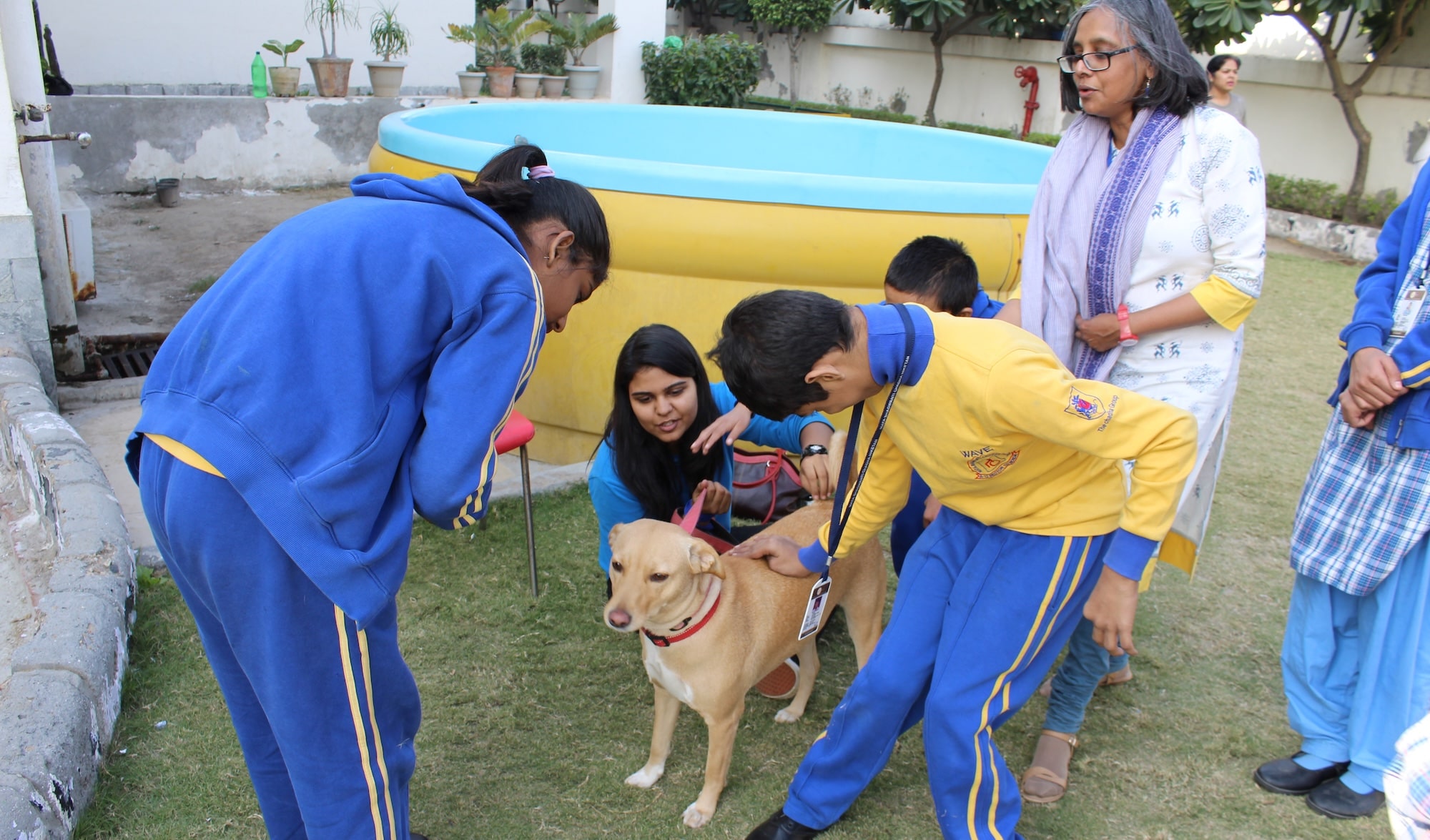
My first bond with community dogs began when I was just 10–11 years old. Even at that young age, I noticed that when I interacted with the stray dogs in my neighbourhood using simple routines, predictable gestures, and calm boundaries, the chaos of the street would dissolve into cooperation and understanding. Those early discoveries of mutual respect and structure became the foundation of what has now evolved into many years of work with dogs, humans, and communities.
Decades later, I have worked with RWAs, pet parents, trainers, and caregivers across India—rehabilitating dogs from severe “red-zone” behaviour to stable, bite-free community members. Many of these dogs had histories as serious as mauling another animal or even injuring people, yet with structured systems they never repeated those behaviours.
This guide is a distillation of those decades of fieldwork—written for community feeders, RWAs, and animal caregivers who want to prevent bite incidents, reduce conflict, and create true coexistence with our beloved Indie dogs.
1. Responsible Community Animal Care
The starting point for any community is to take responsibility. Stray care is not only about dropping food; it is about accountability, structure, and compassion.
COLONY DOG CENSUS & STEWARDSHIP

FEEDING SOP
Feeding should be done with structure.
- Dedicated feeding sections/zones away from school gates, colony entrances, or traffic choke points.
- Fixed timings for feeding.
- Serve–supervise–sanitize.
- Dogs should eat calmly in as small groups as possible, bowls should be cleaned, and the space should remain hygienic. A more preferable method of feeding has been explained further in the article.
- The diet should be balanced—Rotating protein and carbohydrates or kibble, rather than feeding only leftovers.
TRAINING BASICS
- Teach Sit–Wait–Okay before meals.
- Reward calm behaviour away from gates.
- Desensitize to cycles, uniforms, delivery bags, etc.
- Manage in groups of 2–3.
- Read the training basics blog
FIRST AID
- Medical kits in colonies
- Vet hotlines
- Transport plans
- Incident logs
2. Indie Dogs & Their Alleged Behaviour Issues
Indie or community dogs are often unfairly branded as aggressive or dangerous. These perceptions usually come from misunderstood behaviours. People complain of dog poop in public spaces, dogs chasing scooters, or barking at unfamiliar people. While these are real irritants, they are not insurmountable problems. Dog waste can be managed with proper clean-up systems, and chasing behaviour can be reduced with training and desensitisation.
It is important to understand who Indies are. They are semi-wild, semi-urban dogs—descendants of India’s ancient Pariah dogs who have over the decades interbred with foreign breeds like Labradors, Retrievers, Pomeranians, and even Huskies. This has created a diverse genetic pool, with dogs retaining survival instincts that have not been shaped by selective breeding. They are naturally territorial and have a strong prey drive—meaning fast-moving objects like squirrels, cats, or scooters can trigger them to chase. This does not mean they are inherently dangerous; it means they are responding to instinct.
The true danger, in my experience, lies in unchecked inbreeding. When sterilisation is ignored, siblings and relatives breed among themselves, producing unstable temperaments and highly reactive offspring. From my years of work, I can confidently say that most bite incidents involve inbred dogs rather than healthy Indies. This makes sterilisation not just an animal welfare necessity, but a public safety measure.
3. Overfeeding & the ‘ATM Dog’ Problem
While feeding is an act of kindness, overfeeding without structure often creates more problems than it solves. In nature, a dog’s ecology requires it to work daily for survival—scavenging, sniffing, and hunting.
THE JOBLESS INDIE
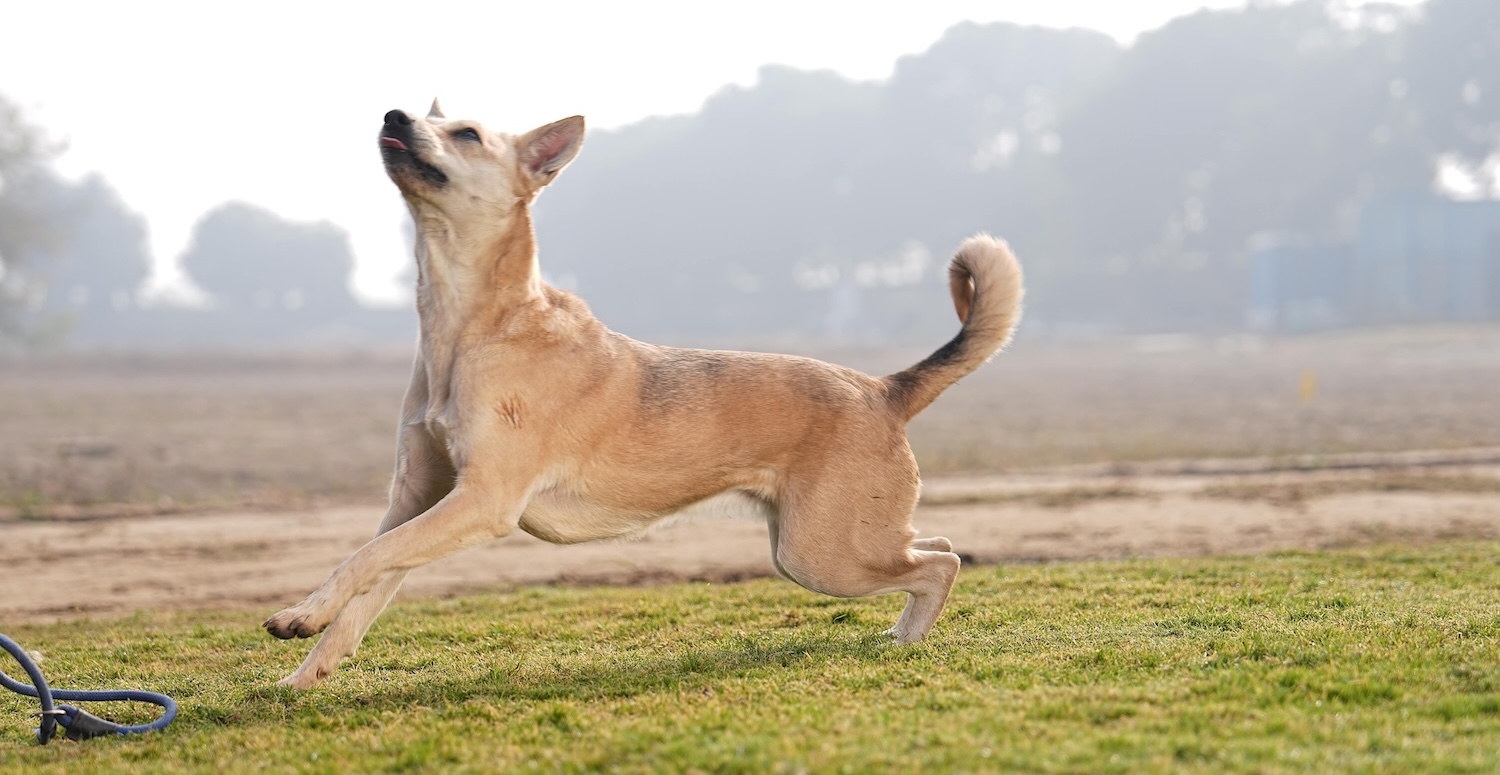
When a community feeder piles huge amounts of food in one place two or three times a day, dogs lose their natural outlet. They become jobless Indies—dogs with nothing left to do but sleep.
This leads to resource guarding, territorial aggression, and even sleep aggression. A constantly well-fed dog spends more time resting around feeding points and reacts sharply when disturbed. Without the challenge of working for food, their energy turns inward, often expressed as reactivity.
As the saying goes, an empty mind is a devil’s playground—and this holds true for dogs too.
THE BALANCED APPROACH
The focus should always be on maintaining a dog’s mental and physical balance, not creating entitlement.
4. Conflict Management
Conflict in colonies usually arises not because of the dogs themselves, but because of misunderstandings and lack of systems. Rule 20 of the Animal Birth Control Rules 2023, make it the responsibility of RWAs or local body representatives to ensure designation of adequate feeding zones/spots. Where a conflict arises between RWA/residents in this regard, the RWA must form an animal welfare committee to redress the situation. When RWAs and feeders work together, these conflicts can be diffused easily.
Residents quickly notice when dogs are calmer, quieter, and less of a disruption, and that changes sentiment.
The first step is a formal RWA–Feeder Pact: agreeing on
- Publish census with regular updates on sterilisation and vaccination progress.
- Designated feeding zones and times.
- Hygiene responsibility and poop-clean policies.
- Monthly training sessions with a canine behaviourist can teach residents how to respond to dogs calmly instead of with fear. Most friction points can be solved with simple systems.
5. Dog Attacks: Understanding & Preventing
Dog attacks are rare, but they become headlines. To manage them, we must understand the triggers: territorial defense, resource guarding, maternal instinct, pain, fear, and above all inbreeding.
Here are some tips:
- Stay calm. Don’t scream or run.
- Stand firm. Face them and hold your ground.
- Look bigger. Straighten up, widen posture.
- Use water. Splash if dogs come within 2–3 feet — this usually makes them back off and is most humane under the circumstances.
- Do not use sticks or stones. They don’t scare dogs and can cause the dog to react defensively, making the situation worse.
If there is a Bite Incident:
- Wash wound for 15 mins with soap and water.
- Apply antiseptic, seek rabies vaccine.
- Place dog under vet observation.
Reset the zone where bite occurred:
The site of the bite should also be reset—feeding paused, then resumed under supervision, with daily counter-conditioning to desensitize the dogs to whatever triggered the incident. With consistency, even red-zone spots can be stabilized. The key is not panic, but protocol.
6. Resident Welfare Associations (RWAs): The Missing Link
RWAs are the most critical pillar in community dog management. They set the tone for how citizens perceive dogs.
Transparency, predictability, and accountability transform sentiment from hostility to coexistence.
Model Colony Manifesto
Every RWA and feeder group can commit to a simple but powerful framework. These steps cost little but create enormous change in how dogs and humans live together.
The 10 Golden Rules for Feeders
Conclusion
Community dogs are not villains.
They have lived alongside humans for centuries, often guarding and protecting the very spaces where they are now feared.
When unmanaged, they can create friction. But with structured feeding, strict sterilization, training, and responsible RWAs, every colony can transform Indies into guardians instead of so-called ‘menaces.’
I have dedicated my life to proving this through seminars, workshops, rehabilitation projects, and direct community management. The system works. It is science, not sentiment. If adopted consistently, it will reduce bites & possibly eliminate them, change perceptions, and allow humans and dogs to coexist with respect and harmony.
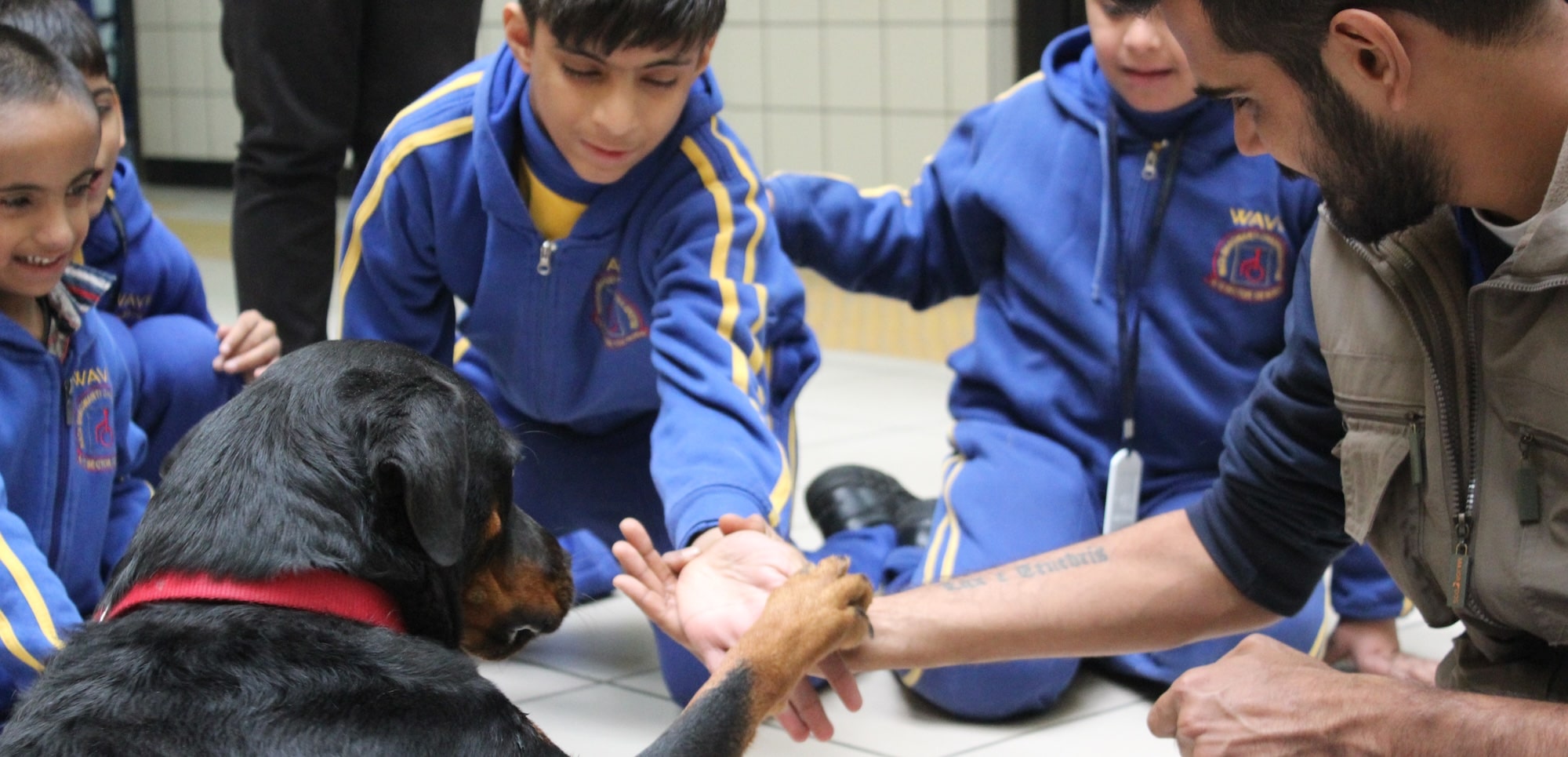
Adnaan Khan, Founder and CEO, K9 School
Dog behaviour specialist working on bite reduction and aggression rehab for pet dogs and specialising in Indies since 2014. Adnaan has been formally trained from multiple countries defence units and special forces for security dog training like Harry Carter (Trainer for the Royal Family, United Kingdom), Police Dog Centre Holland and Czech Republic, Explosive detection and police tracking from German special forces and Tactical USA SWAT security dog systems and multiple USA police and army veterans between 2016-2023. Adnaan Khan has also been improving India’s security dogs and training systems as a private consultant.
K9 School’s team of behaviour experts offer distant and in person dog behaviour training for pets and community dog welfare and can be reached at 78146 52240 for appointments.

The views and opinions expressed in the articles and blogs on this website are solely those of the individual authors and do not necessarily represent or reflect the views, opinions, or positions of Blue Cross of Hyderabad.