

Feeding Re-defined: Creating Trust between Dogs & Feeders
Author’s Note — This Has Been My Life’s Work
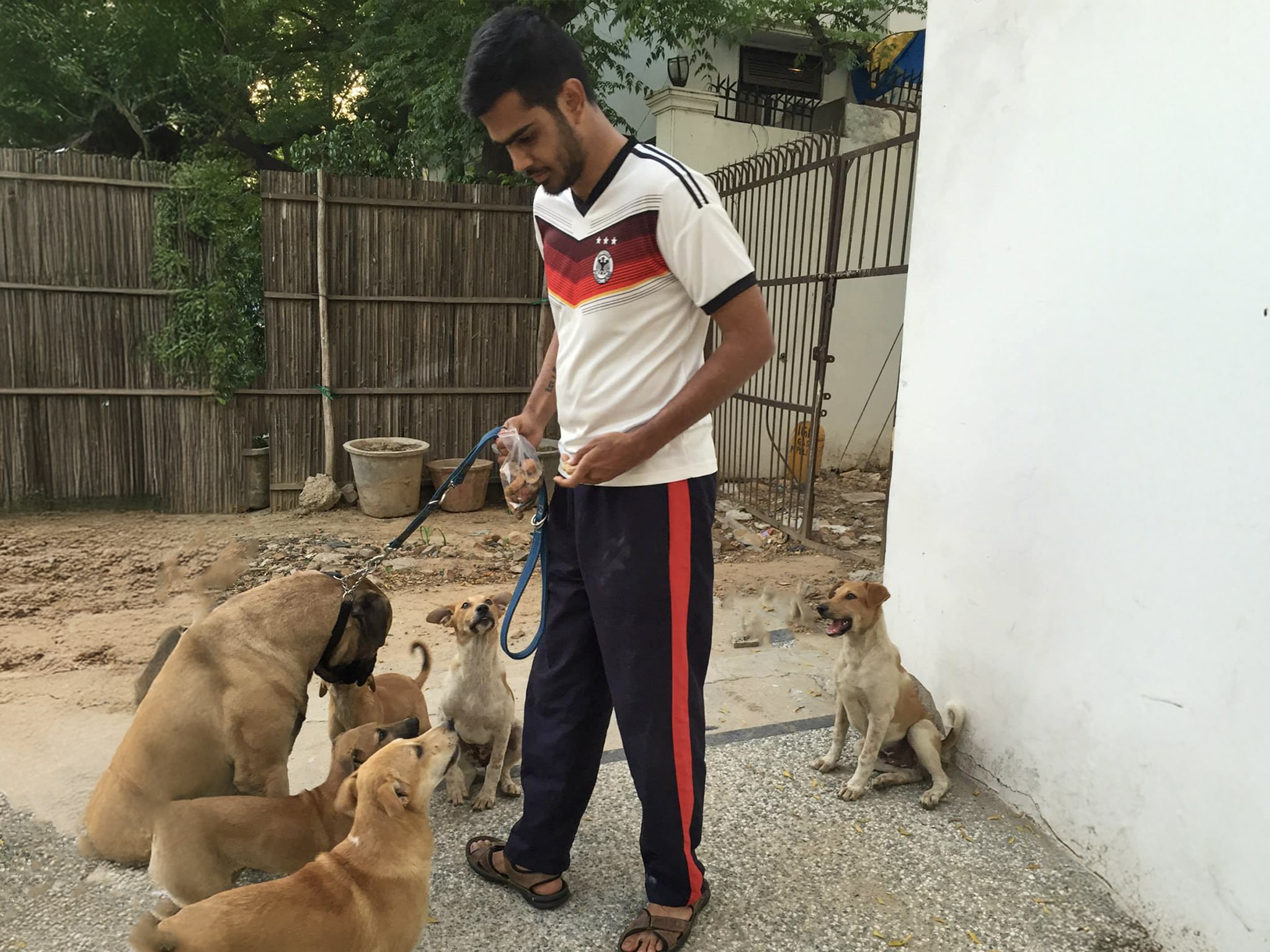
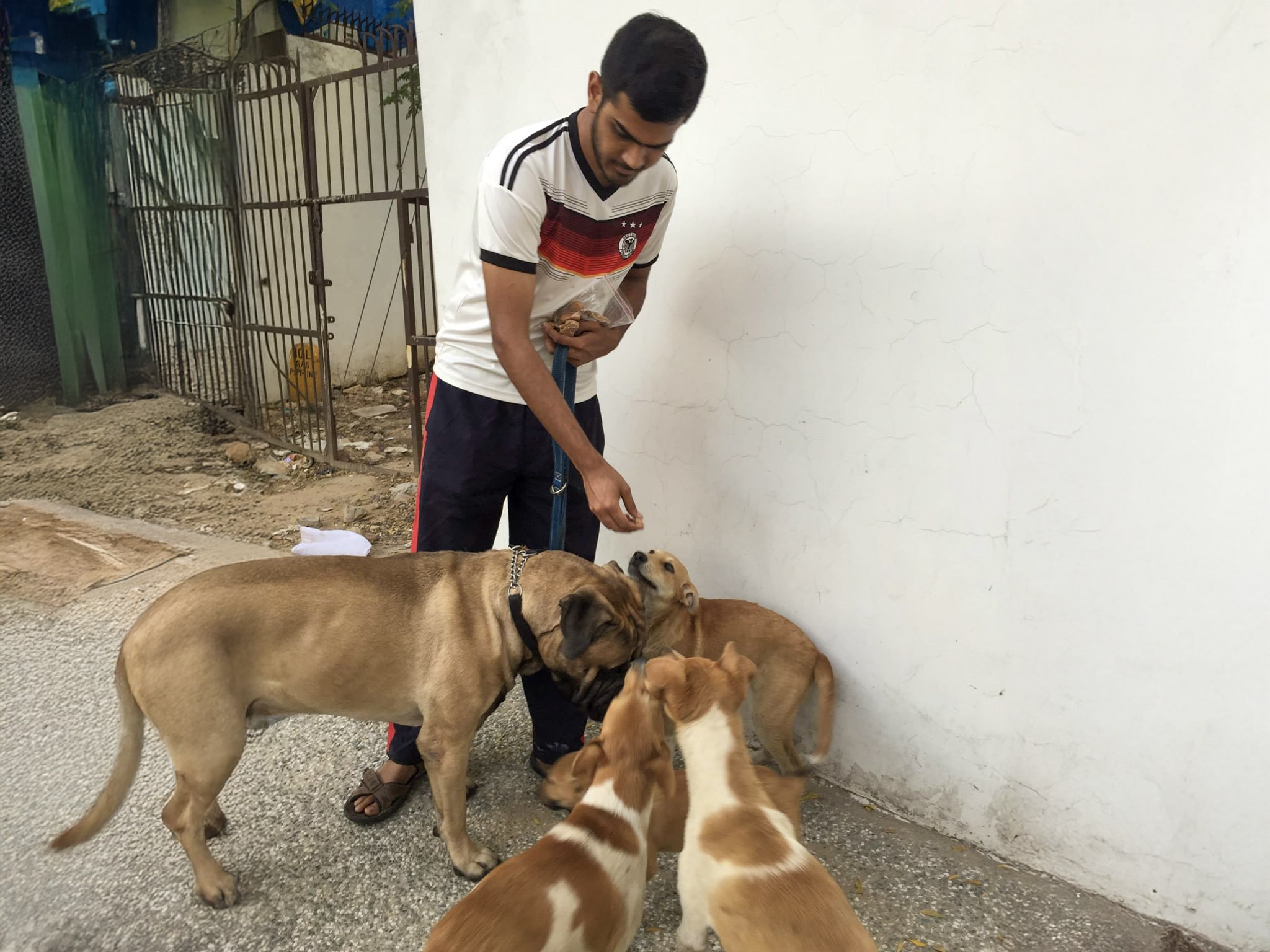
From childhood, I learned to use food as a way of building bond and respect rather than dependency. Instead of dumping food, I carried biscuits or pellets on long walks, feeding tidbits along a one- or two-kilometer route, or around the colony. This simple adjustment changed everything. Dogs no longer saw me as an ATM machine dispensing salary once or twice a day; they saw me as a leader, a guide who engaged with them. They followed me, listened to me, and responded when called—even if they had started chasing someone.
Steps
This system created dogs that were not only protective of their colony but also controllable. They would ward off drunkards or petty criminals but would return to me when asked, preventing harm to innocent people. Such practices create trust not only between dogs and feeders, but also between feeders and the wider community, because residents see visible control and accountability.
This is feeding redefined—not as a transaction of food, but as a bond-building exercise that makes dogs safer, calmer, and more respected members of the community.

Basic Training
One of the few things that I like to train the dogs on, is responding to their names. All of us have names for our streeties, and teaching name response is a vital aspect of creating the bond.
Train Your Community Dog to Respond to Name & Recall
Additional tips:
Calm Training
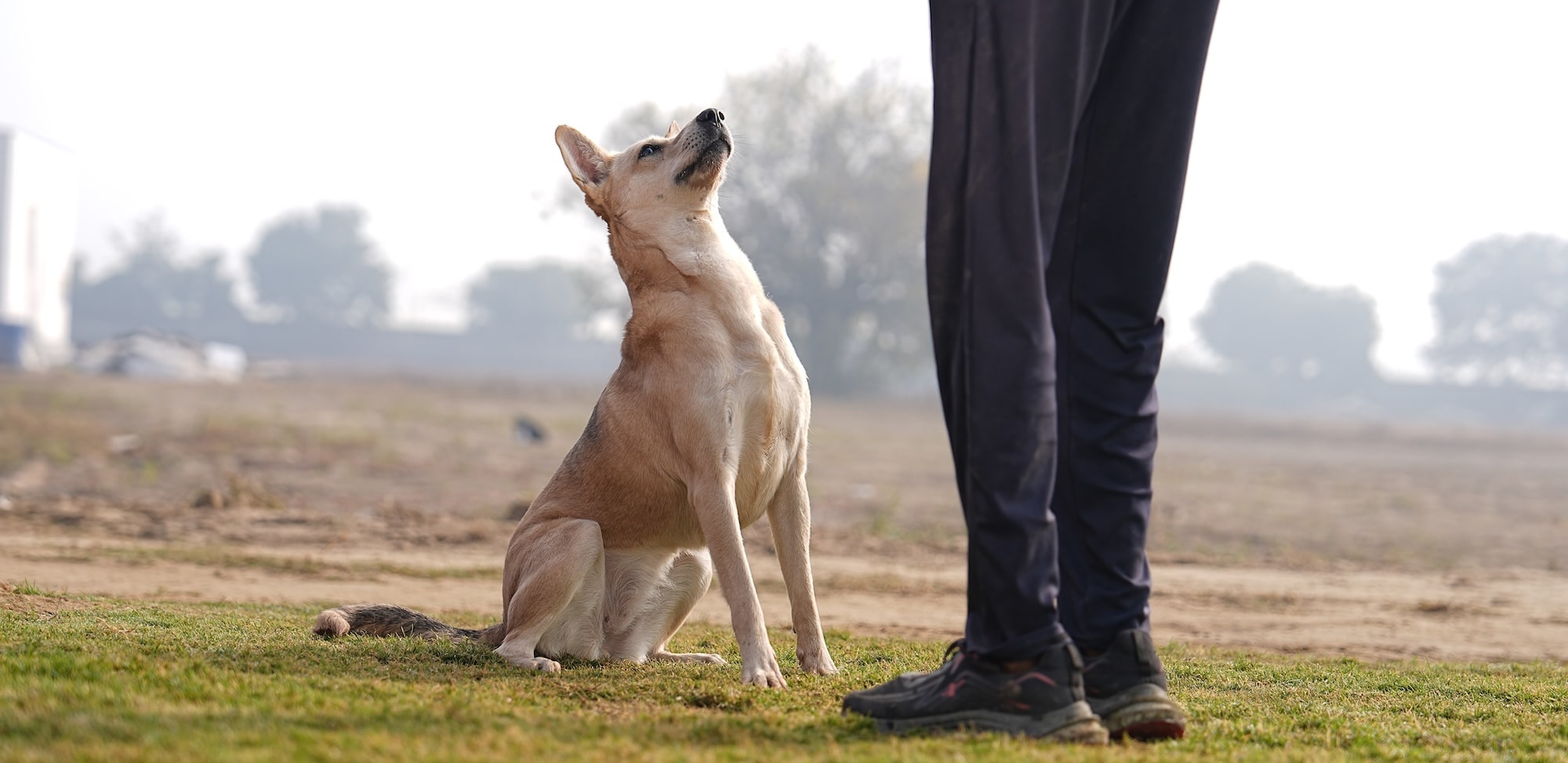
Whenever you have food in your hand, the simplest thing that a feeder can do is wait till the dog sits down. As soon as that happens, say ‘yes’ or ‘okay’, and that’s when you give the food.
If followed consistently, with these basic changes, your community dogs would learn their name, they will come to you when called and they will sit during feeding time. And these are important aspects to coexist harmoniously in a community.
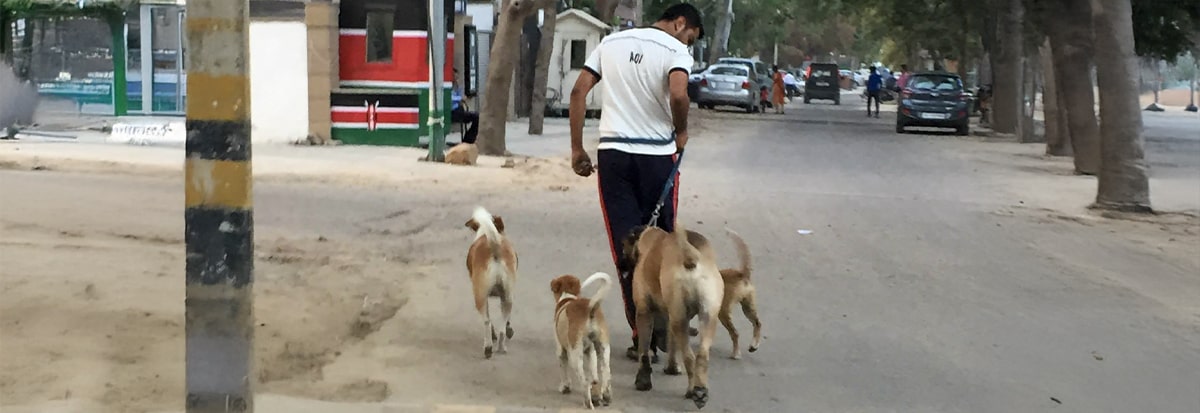
In addition, I enjoy walking distances and feeding dogs. Instead of placing large piles of chicken and rice in one spot, I prefer to walk a few steps, feed the dogs, call them over, give them some tidbits, and then move further along. This approach creates a continuous, traveling bond between the strays and me, rather than making them overly protective of a single area. Dogs can sometimes become territorial about their feeding spots even when it’s not mealtime, and this method helps prevent that behavior.
Most importantly, the same dog should not be fed by six, seven different people in an uncoordinated way.
Now, what are the benefits?
If a dog responds well to its name and has a reliable recall, it will come back when called — even if it’s chasing cars, bikes, or kids. If you’re nearby, whether standing on your balcony or just a little distance away, you can simply call out their name, and they’ll return to you. That is the primary advantage: coming back whenever they’re called.
We should take responsibility and accountability for our stray dogs — ensuring their good behavior, good health, and sterilization. These three aspects should be part of our responsibility and accountability. We must aim to build a more active relationship with the dogs, fostering cooperation and obedience, instead of just dropping piles of food, taking a photo, and walking away.
Adnaan Khan, Founder and CEO, K9 School
Dog behaviour specialist working on bite reduction and aggression rehab for pet dogs and specialising in Indies since 2014. Adnaan has been formally trained from multiple countries defence units and special forces for security dog training like Harry Carter (Trainer for the Royal Family, United Kingdom), Police Dog Centre Holland and Czech Republic, Explosive detection and police tracking from German special forces and Tactical USA SWAT security dog systems and multiple USA police and army veterans between 2016-2023. Adnaan Khan has also been improving India’s security dogs and training systems as a private consultant.
K9 School’s team of behaviour experts offer distant and in person dog behaviour training for pets and community dog welfare and can be reached at 78146 52240 for appointments.

The views and opinions expressed in the articles and blogs on this website are solely those of the individual authors and do not necessarily represent or reflect the views, opinions, or positions of Blue Cross of Hyderabad.