

The Science and Joy of Scentwork
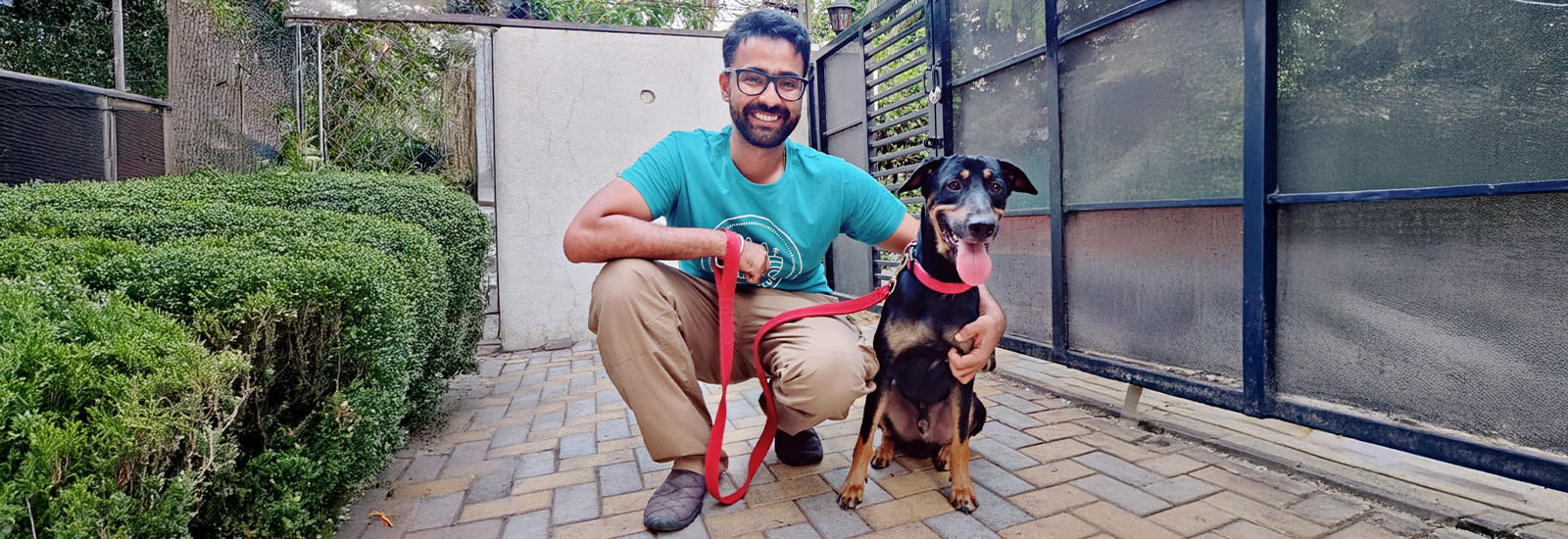
To us, the world is a visual place. We notice colour, shape, and light before anything else. But for a dog, the world is defined not by sight, but by scent. Imagine being able to “see” what happened a few hours ago, who passed by your door, or where your neighbour went for breakfast—just by sniffing the air. That’s the gift of the canine nose.
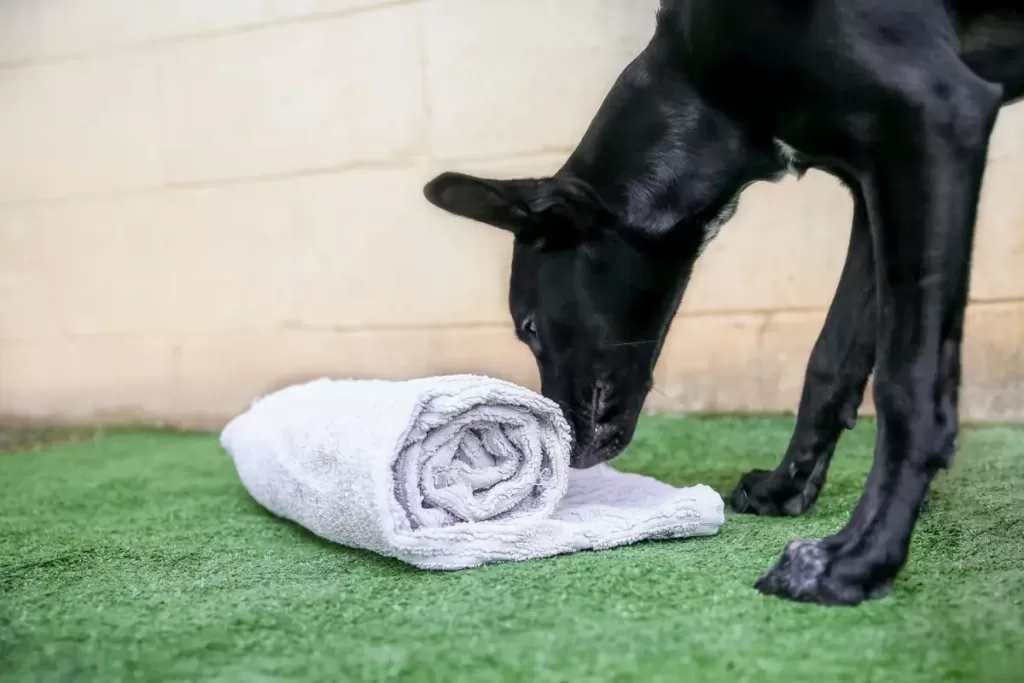
Scentwork, or nosework, taps into this extraordinary sensory ability. It’s a structured activity where dogs use their noses to identify and locate specific scents, often for a reward or simply for the joy of doing so. While it’s long been an integral part of professional dog work worldwide, scentwork is also gaining popularity among pet parents as a powerful, enriching activity for dogs of all breeds, ages, and backgrounds.
A Global Legacy: Scentwork in Action
Across continents and cultures, dogs have been essential partners in tasks that demand a finely-tuned nose. In search and rescue operations, for example, trained dogs can locate survivors buried under earthquake rubble or lost in remote forests, relying purely on scent signatures. They can pick up human scent from miles away—even underwater.
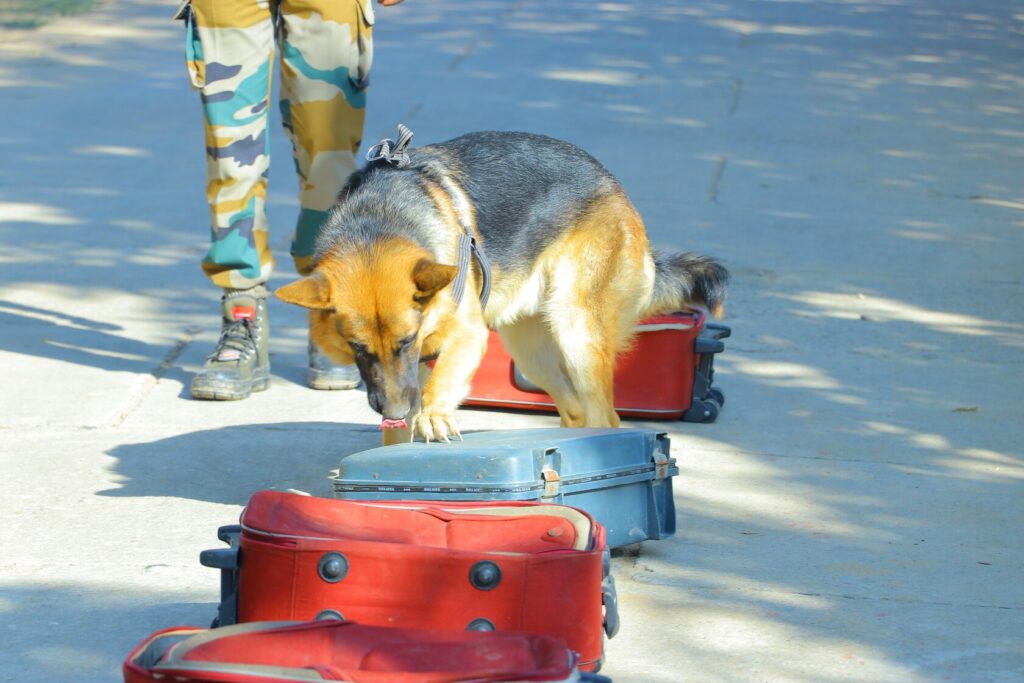
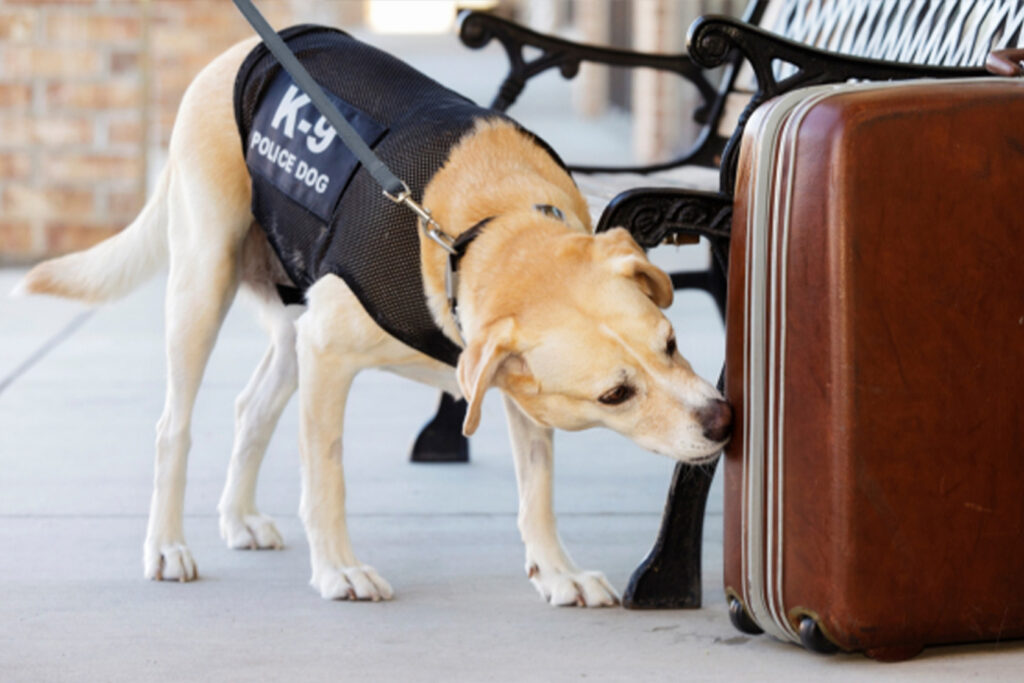
In airports and border zones, canine units sniff out narcotics, explosives, and smuggled contraband, working swiftly and precisely under high-stakes conditions. In war zones, dogs are often deployed to detect IEDs, saving countless lives through their silent, focused work.
One of the most unexpected examples of their abilities came in recent years during the global COVID-19 pandemic. In airports across Finland, the UAE, and parts of Europe, trained dogs were deployed to screen passengers for COVID-19. The dogs didn’t need blood samples or throat swabs. Instead, they sniffed sweat samples or the air around a person and could detect the virus with astonishing accuracy—often faster than rapid antigen tests and almost on par with PCR tests.
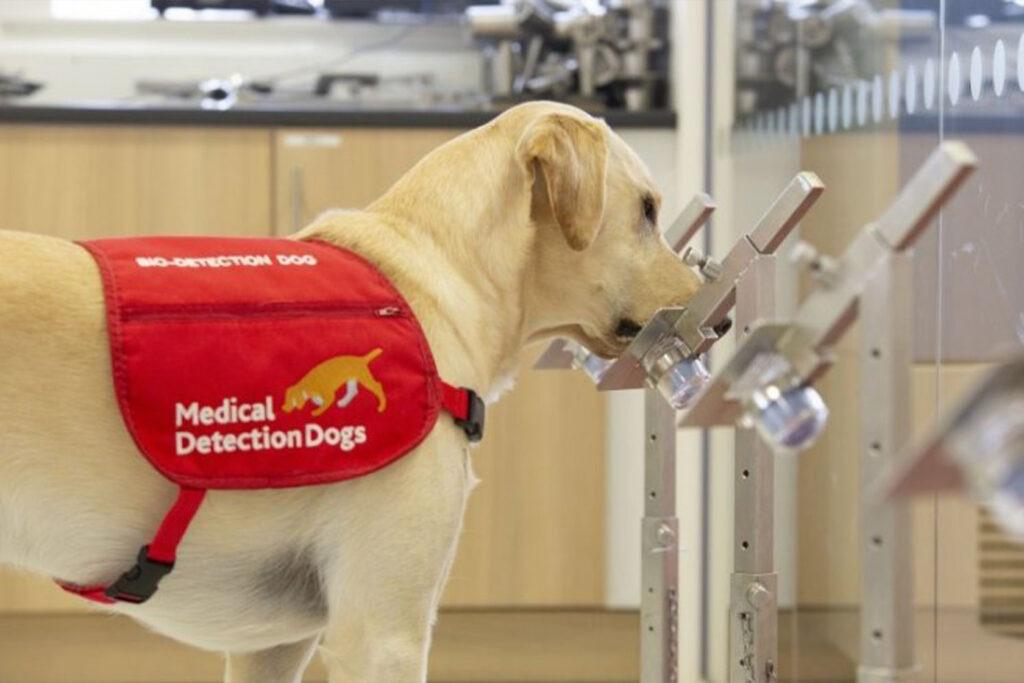
What’s most astonishing is that dogs were able to detect asymptomatic cases—something even advanced diagnostic tools sometimes miss. Researchers believe dogs can pick up on subtle metabolic changes in a person’s body odour caused by the virus. This once again affirmed what dog lovers have always known: their noses operate on a level far beyond our comprehension.
Scentwork is also revolutionizing wildlife conservation. Detection dogs in parts of Africa help track rhino poachers. In India and Southeast Asia, they help researchers monitor elusive animals like tigers, elephants, and pangolins by identifying scat and scent trails. Their noses help protect endangered species in ways technology still struggles to replicate.
What’s incredible is that this nose, that is capable of detecting a single drop of blood in an Olympic-sized pool belongs to the same species curled up on your couch.
Bringing Scentwork Home: A Gift for Pet Dogs
While the world often admires working dogs—think German Shepherds, Labrador Retrievers and Malinois—the benefits of scentwork aren’t limited to these high-drive breeds. Pet dogs, especially our beloved Indian pariah dogs (Indies), have just as much olfactory brilliance and stand to gain just as much, if not more, from scent games.
Indies, in particular, are genetically wired for survival. Their lineage is tied to street life, where every meal, every safe space, had to be sniffed out. This makes their sense of smell not only acute but deeply connected to how they process the world. Unfortunately, many Indies who are adopted into loving homes don’t get enough outlets to use this ability. Scentwork provides that missing stimulation in a safe, fun, and constructive way.
For purebred pet dogs too—be it a bored Golden Retriever, a destructive Beagle, or an anxious Husky—introducing scent games can reduce behavioural issues, boost confidence, and deepen the bond between dog and guardian. It’s not about making your pet a detection expert; it’s about helping them be more of what they naturally are.
The Mental Gym Workout
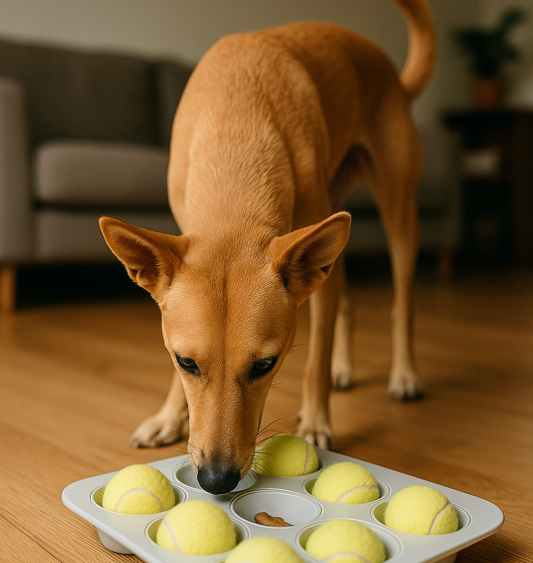
One of the most underestimated aspects of scentwork is its mental impact. A few minutes of nosework can tire a dog out more than a brisk walk. Why? Because scenting taps into instinctive behaviour and requires concentration, decision-making, and memory. Dogs have to sort through smells, filter distractions, and work out where the target scent is coming from.
It’s an ideal exercise for senior dogs, pups recovering from surgery, or dogs who may not be physically able to run or jump.
And it’s an equalizer—it doesn’t matter whether your dog is fast, strong, or obedient. What matters is the nose.
Fun Facts About the Canine Nose
To appreciate scentwork is to understand just how powerful a dog’s nose really is:
Let them sniff. Let them explore. Let them be dogs.
In a world of leashes, commands, and expectations, scentwork offers dogs something rare—freedom. Not the kind where they run away, but the kind where they run inward, into their instincts. It’s not about teaching them something new; it’s about allowing them to be who they already are.
So, the next time your dog pauses to sniff the ground a little longer, don’t rush them. That’s not wasted time—it’s their version of reading the news, solving a puzzle, or writing a story in the air.